Best History: A Distinctive Font for Modern Design
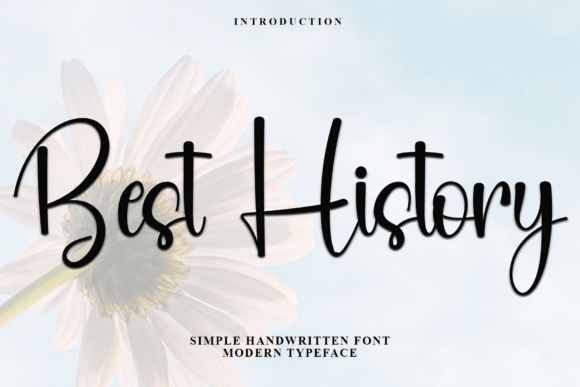
Typography is the voice of your design, and choosing the right font can transform a project from ordinary to unforgettable. Best History is a beautiful and eye-catching font designed with a soft, unique touch. Its distinctive strokes give it a special character, making it meaningful and versatile for future use. With various characters, it’s perfect for design projects, crafts, and other creative works. Compatible with various applications, including Windows and open-source platforms, this natural font style is ideal for a wide range of products. It will enhance your designs, making them appealing to many audiences across different artistic and creative fields.
The Role of Distinctive Typography in Visual Communication
In graphic design, typography is far more than just selecting letters. It’s a fundamental element of visual hierarchy and brand identity. A font like Best History, with its soft yet distinctive character, helps establish an immediate emotional connection. Its unique strokes can convey warmth, creativity, and authenticity, which are crucial for effective branding and user engagement. When integrated thoughtfully, it becomes a powerful tool for storytelling, guiding the viewer’s eye and reinforcing the core message of a design.
Practical Applications for Creative Projects
The versatility of a well-crafted typeface allows it to shine across numerous design disciplines. Best History’s adaptable nature makes it a valuable creative asset for both digital and print mediums. Consider its potential in these areas:
- Brand Identity & Logo Design: Use it to create logos and wordmarks that feel both personal and professional, perfect for lifestyle brands, artisanal products, or creative studios.
- Marketing & Social Media Graphics: Its eye-catching quality ensures headlines in digital ads, email banners, and social media posts stand out, improving click-through rates and engagement.
- Editorial & Web Design: Apply it to magazine layouts, book covers, or website headers to add a touch of elegance and improve the overall user experience with beautiful, readable typography.
- Packaging & Merchandise: The font’s unique character can elevate product packaging, labels, and merchandise, making items feel more crafted and desirable on the shelf.
Integrating a Font into Your Design Workflow
Selecting a typeface is only the first step; effective integration is key. To ensure Best History enhances your project, evaluate it against your specific design goals. Check its readability at various sizes, especially for body text versus headlines. Ensure its style complements your existing color palette and imagery. A professional presentation relies on consistency—use the font purposefully to create visual harmony across all touchpoints, from your website’s UI design to your print materials.
Always consider your audience’s expectations and the context of the design. A font that works beautifully for a wedding invitation might need different pairing strategies for a tech startup’s brochure. Test it within your composition to verify it contributes to a polished and cohesive visual design without overwhelming other elements.
Thoughtful design choices, starting with foundational elements like typography, directly impact how your audience perceives and interacts with your work. Investing in quality creative assets that offer both beauty and functionality—such as a versatile and distinctive font—empowers you to build stronger brand narratives, create more engaging digital marketing content, and ultimately deliver a more professional and resonant visual experience. The right tools don’t just make designs look better; they make your creative vision communicate more effectively.