Outline Groovy: A Retro Font for Modern Design
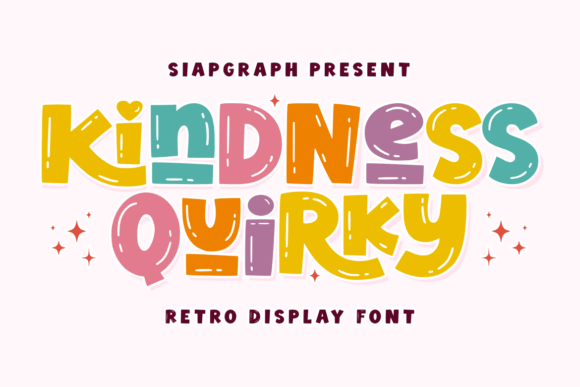
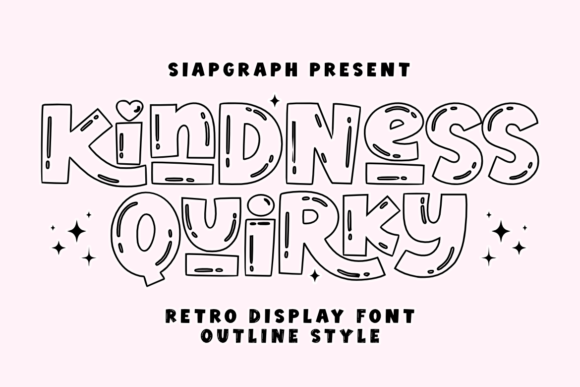
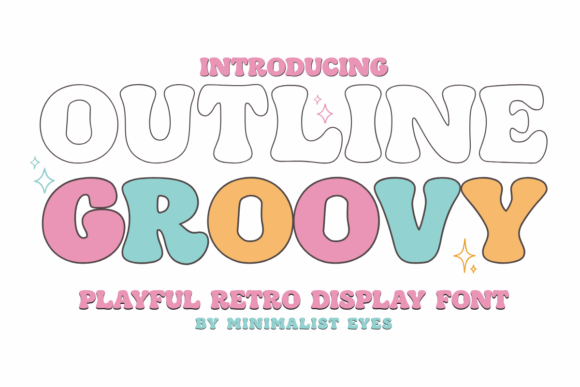
Imagine infusing your designs with the vibrant, carefree energy of the 1970s, but with the crisp precision of modern digital tools. That’s the power a font like Outline Groovy brings to the table. This playful, retro-inspired display typeface, characterized by its bold, "bubbly" outline aesthetic, is more than just a nostalgic novelty—it's a versatile creative asset for contemporary graphic design. Its clean lines and high-energy vibe make it a standout choice for projects demanding personality and visual impact, from DIY crafts to professional branding.
Understanding the Visual Impact
In visual design, typography is a primary driver of tone and emotion. Outline Groovy excels at conveying fun, approachability, and a retro-modern sensibility. Its outlined structure offers a unique advantage in design workflow: it provides the bold presence of a solid display font while maintaining a lighter visual weight, which can enhance readability when used over complex backgrounds or imagery. This characteristic is crucial for creating effective visual hierarchy, allowing headlines to command attention without overwhelming supporting elements.
Practical Applications Across Creative Projects
The true value of any creative asset lies in its application. Outline Groovy is engineered for versatility, seamlessly integrating into a wide array of professional and personal design contexts:
- Branding and Logo Design: For brands targeting a youthful, energetic, or retro-themed audience, this font can become a cornerstone of brand identity. It works exceptionally well for logos, wordmarks, and brand collateral in industries like entertainment, lifestyle products, and casual dining.
- Marketing and Social Media Graphics: Capture attention in crowded digital feeds. Its distinctive style is perfect for social media graphics, email headers, and digital advertisements where stopping the scroll is paramount. The outline style pairs beautifully with solid color fills or subtle gradients for dynamic compositions.
- Merchandise and Packaging Design: Translate digital charm into tangible products. The font's clear, bold strokes are ideal for print design on t-shirts, stickers, vinyl decals, and product packaging. It ensures designs remain legible and impactful, whether printed, cut with a Cricut machine, or displayed on screen.
- Editorial and Web Design: Use it sparingly but effectively in editorial layouts and web design for pull quotes, section headers, or UI elements like buttons and calls-to-action. It adds a burst of personality without compromising the overall user experience (UX) when balanced with a neutral body typeface.
Integrating Retro Elements with Modern Aesthetics
Successful design often involves balancing trend-forward elements with timeless principles. When using a font with a strong stylistic character like Outline Groovy, consider these professional tips:
- Maintain Consistency: Anchor the playful font with a clean, neutral sans-serif for body text to preserve readability and visual harmony across your brand system.
- Leverage Color Theory: The outlined letters interact uniquely with color. Experiment with vibrant, retro-inspired color palettes or use the outline effect to reveal a background pattern or image for added depth.
- Prioritize Scalability: Test the font at various sizes to ensure its details remain clear, especially for applications ranging from small social media icons to large-format posters or packaging.
- Align with Audience Expectations: Ensure the retro, bubbly aesthetic resonates with your target demographic and supports the core message of your communication, be it for a summer campaign or a vintage-style brand launch.
Ultimately, the choice of typography is a fundamental design decision that shapes perception and engagement. By thoughtfully selecting and skillfully applying a resource like Outline Groovy, designers and creators can inject projects with a distinct personality, strengthen visual communication, and create memorable experiences. Quality creative assets are not just decorative; they are essential tools for building cohesive, compelling, and professional presentations that resonate with an audience.